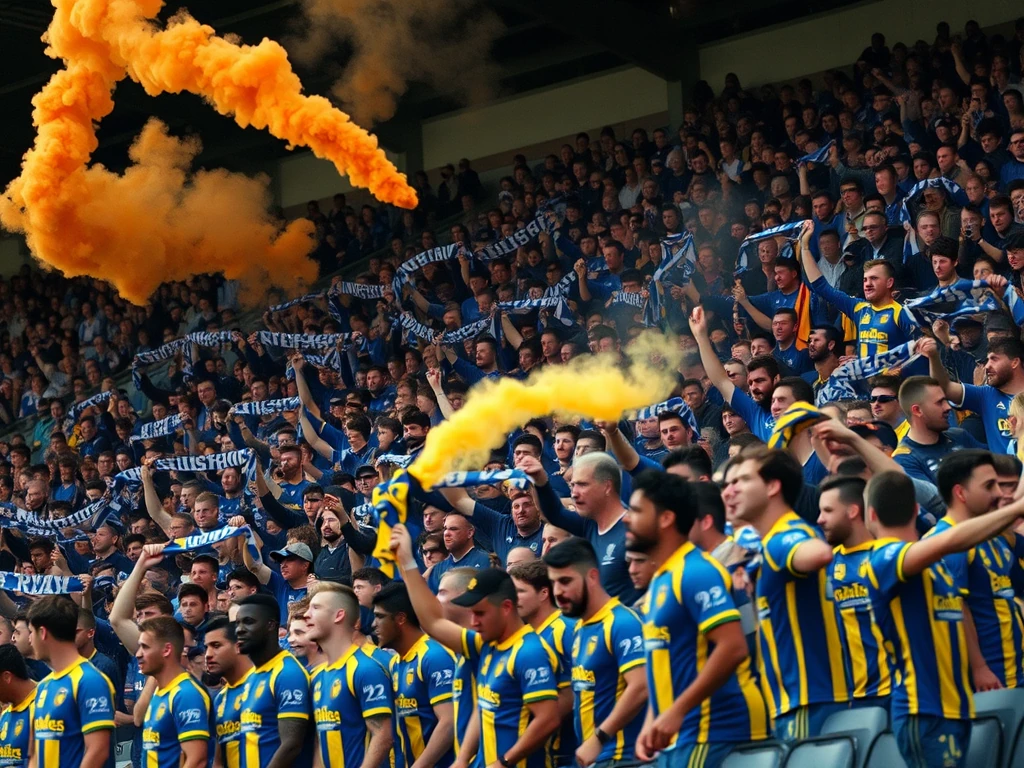

As AFC Wimbledon continues to handle the challenges of League football, their recent form has revealed a fascinating mix of tactical strengths and weaknesses. While the Dons have shown resilience in their performances, certain tactical adjustments could provide the fresh impetus needed to climb the league table and assert their identity more firmly in matches.
Current Tactical Landscape
The Dons have generally employed a 4-2-3-1 formation this season, which has facilitated a balanced approach, allowing for both defensive solidity and attacking flair. However, the team's recent matches have exposed a recurring issue: the midfield often appears disjointed, leading to a lack of fluidity in transitioning from defense to attack. This disconnection has hindered their ability to control matches, particularly against teams that press high or dominate possession.
Midfield Cohesion and Structure
To address this, one suggested tweak would be shifting to a 4-3-3 formation. This change would provide an additional body in the midfield, allowing for better ball retention and quicker transitions. By employing a triangle shape in midfield, with one holding midfielder flanked by two more advanced playmakers, The Dons could enhance their ability to link up play and support the forwards. This setup would also allow for greater defensive coverage, as the wide players can track back, mitigating the risk of counter-attacks.
Exploiting Wide Areas
Another area for improvement lies in the use of width. Currently, the Dons have relied heavily on central play, often becoming predictable and allowing opponents to set up defensively. Encouraging the full-backs to push higher up the pitch could stretch the opposition and create space for the forwards to exploit. This would also enable the wingers to cut inside or deliver crosses, catering to the strengths of their strikers. With versatile players like Jack Rudoni and Ayoub Assal, who can operate effectively in wide areas, The Dons can unbalance defenses and create goal-scoring opportunities.
Pressing and Defensive Organization
Defensively, while The Dons have shown moments of solid organization, there have been instances where their pressing structure has been inconsistent. A more coordinated pressing approach, perhaps involving a higher line when the opposition is building from the back, could force turnovers and lead to quick counter-attacks. Implementing this would require the forwards to be more disciplined in their pressing triggers, ensuring that the midfielders can support effectively.
Use Squad Depth
Also, with the depth of talent available within the squad, rotation and tactical flexibility will be key. Managers should consider the strengths of individual players when selecting the starting XI. For example, if facing a team known for their physicality, opting for a more robust midfield presence may be beneficial. Conversely, against teams with a more technical setup, deploying speed and agility in the attacking third could yield better results.
Conclusion
while the current tactical framework has its merits, slight alterations could significantly impact AFC Wimbledon's performance. By embracing a more fluid midfield structure, exploiting wide areas, and enhancing pressing strategies, The Dons can not only address their recent form but also forge a more cohesive and dynamic identity on the pitch. As the season progresses, these tactical tweaks could be vital in securing the results needed to push for a strong finish.